

Mikhalchishin begins the first video with an introduction to the chess world in which he grew up. He mentions the chess players he shared time studying, and the victories they had in the end of the 70s, and the beginning of the 80s.
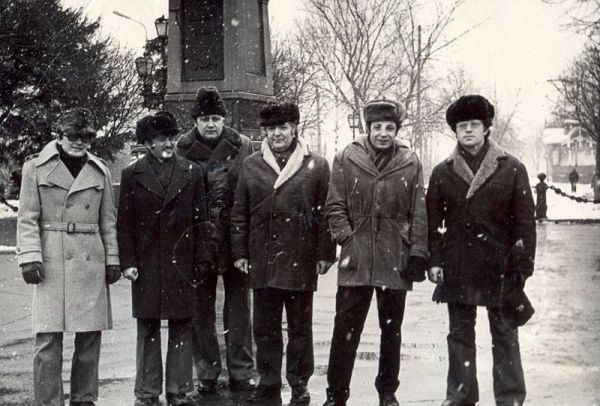
Mikhalchishin sent me this beautiful pic, where these three musketeers reminded me of young Italian university students of that same period, at the end of the 70s!
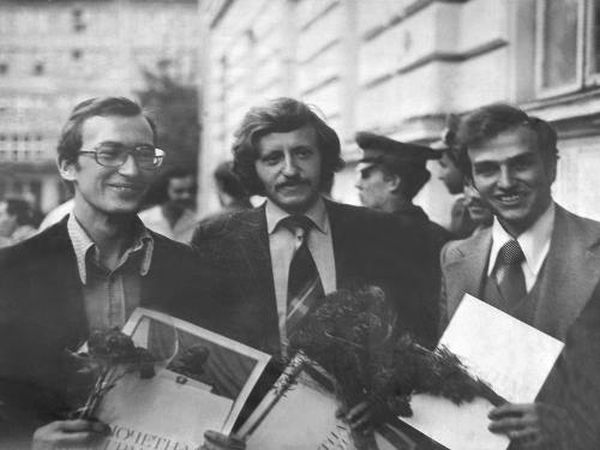
The chance to know these legendary players, though some of their games should be on everyone’s must to do list. I'd like to share some of my findings in this review because they convey the love and passion for chess these young fellows had throughout their lives. And what can be better than a life spent doing something we love?
For example, in 1977 Romanishin had a wonderful performance in the October Revolution 60th Anniversary tournament, where he won first place with 11.5 points out of 17. At the time, Karpov was world champion and he finished fourth! The following brilliant game where Petrosian, one of the most solid players of all times, is blown off the board in just 30 moves can give you an idea of how amazing Romanishin was!
B

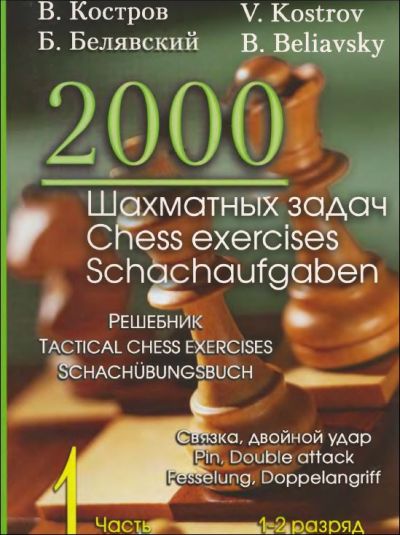
And what about Beliavsky? I like Beliavsky for one book he has co-authored. Of course, he has written many books.
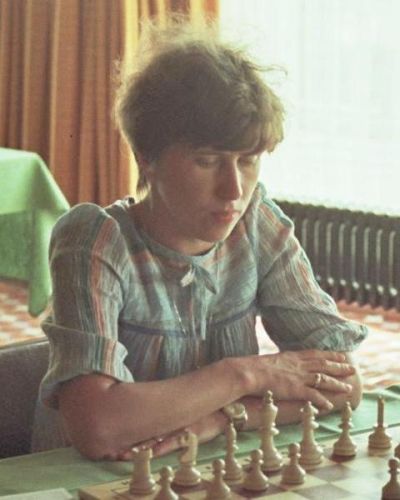
Marta Litinskaya is also a great player. She won the women's Soviet championship in 1972, and in 2002 she won the Women's senior world championship. Below is one of her finest games.

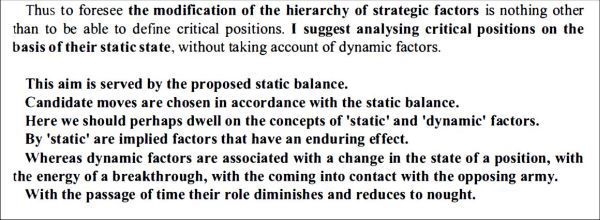
In this book, he describes a "method" through which one can learn how to evaluate every position. And he also created a kind of algorithm for finding the right candidate moves in every position. Below is one of his most exciting games.
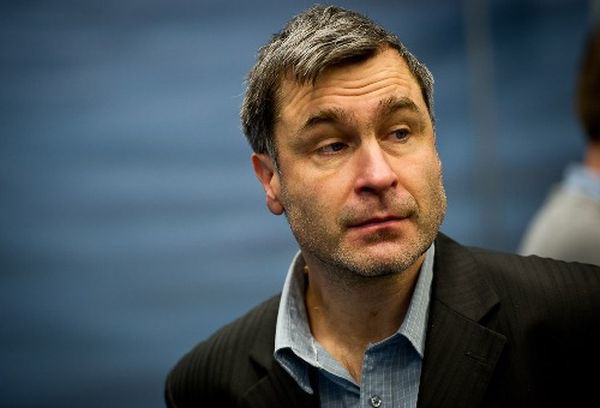
Why was important to mention these names? Because chess culture and champions don't appear like mushrooms after the rain. They appear if there are strong players who prepared the environment before them. In fact, in the same area from where Mikhalchshin, Dorfman, Beliavsky appeared, we have the appearance of Ivanchuk and Volokitin, besides the numerous other important players.
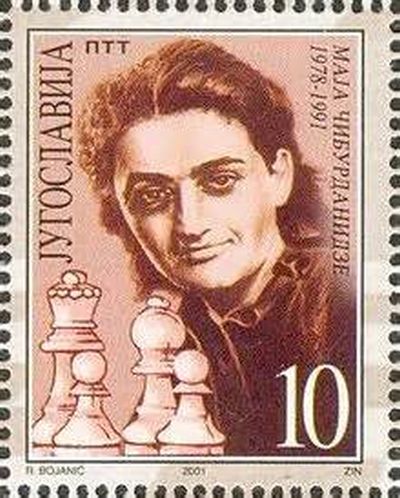
But the importance of the introduction is also in who Mikhalchishin trained, one name known above all – Anatoly Karpov (from 1980 to 1986)! Another world champion, trained by Mikhalchishin is Maya Chiburdanidze.
Of course, there are too many chess players and teams trained by Mikhalchishin for mentioning them all. And despite this, Mikhalchishin is a very active player. In my Megabase 2017, I have over 1700 games played by him, and latest ones are from December 2016!
This is important because some titled players don't play anymore. They have lost touch with the hard reality of today's chess and have resorted to coaching. Nowadays, time controls are faster. And compared to the tournaments played by the Top GMs in the world, with one game a day, most weekend tournaments in the US chess circuit consist of 2-3 games per day, making chess a stressful sport which requires good endurance and stamina for good performances.
Finally, let's talk about this quite instructive DVD. Mikhalchishin has created one masterpiece after another to communicate his chess wisdom to the masses. Many coaches and famous chess authors continue to reiterate the importance of watching many games in order to learn chess. The idea behind is to expose our minds to a lot of patterns, and eventually, learn from them. The problem with such an idea is that the common amateur could watch a thousand of games and still get nothing out of it because the truth is: we are all blind!
Instead, thanks to Mikhalchishin, a serious chess player has the chance to have one of the best coaches in the world from the comfort of their home! The real reason we need to watch Mikhalchishin DVD is based on the fact that after watching all the video-clips when we will watch some games, our chess minds will be open to patterns, plans, and ideas we didn't know before. Furthermore, we will watch games between top players with Mikhalchishin's commentary. This enables us to understand better what is actually happening over the board!
I'd like to make an example. In the first two videos entitled Attack on h7, Mikhalchishin doesn't show a boring Greek gift. Instead, he explains how to create weaknesses, and play on squares of different colours. But the most important thing he shows is related to how he integrates the knowledge from the past: how chess was played in the 1940s, how GMs play today and how we can benefit from the study of classic games.
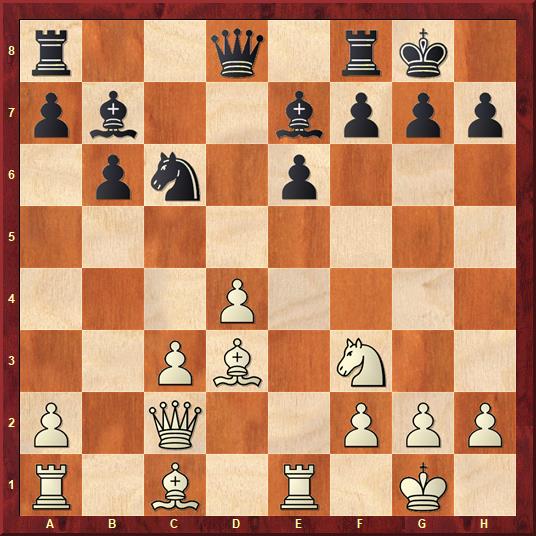
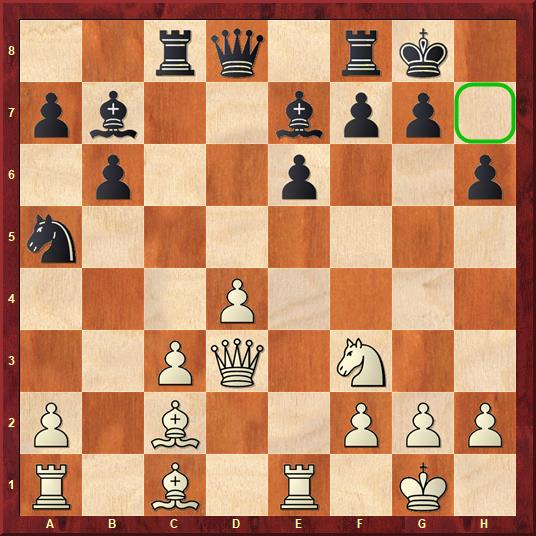
In this position, we see Botvinnik as White playing against Ragozin. Botvinnik just played 13.Qc2, attacking h7. White is playing on the light squares and is trying to create weaknesses in the enemy castle.Watch what happens if Black plays 13...h6. The follow up would be 14. Qe2 Rc8 15. Bc2 Na5 16. Qd3
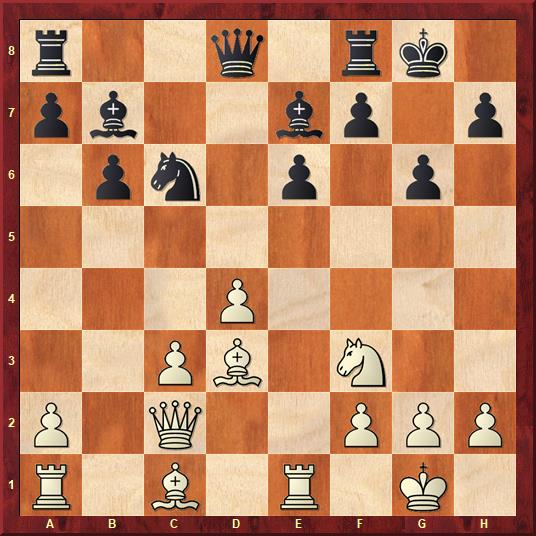
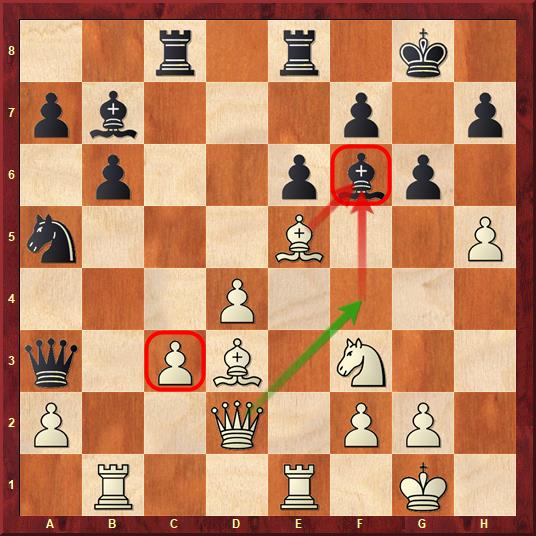
And here, Mikhalchishin shows how White doesn't care a bit about the hanging pawn on c3 even though the idea is playing on the dark squares weak seems complex, as highlighted by the arrows.
.
I could continue to explain more about this terrific example used by Mikhalchishin, but I prefer everyone to discover it through the video made by the Maestro himself! I just wanted to show how his videos are eye-opening and definitely worth to be memorized because they will build the foundation of our chess understanding.
Mikhalchishin clearly explains that the typical plans are based on pawn structures. He shows how, game after game, all one needs to know is these plans that win the game. I found it instructive how he was able to prove that the study of a game of Botvinnik gave him the idea on how to win one of his games. I'd like to show these two games because the way Mikhalchishin wins in this game is practically identical!
Before showing the second game I'd like to point out a couple of important things for the readers:
As my concluding bit of advice, I would like to ask the readers not to miss also the previous DVD made by GM Mikhalchishin. In my opinion, it is fundamental in enhancing the understanding of every serious amateur aiming to chess mastery!
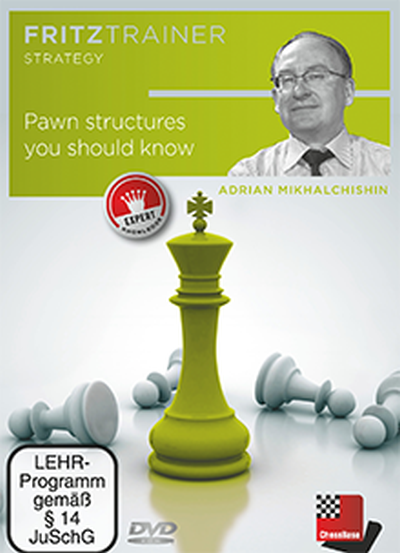
But most of all I think the important point of this DVD, as well as other DVDs made by Mikhalchishin, is the selection of games used as examples. In that selection, we find all the wisdom of the Soviet School. By studying those games we can improve our chess above and beyond whatever chess book we can read!
About the Author

Davide Nastasio is a novel chess aficionado, who has made of chess his spiritual tool of improvement, and self-discovery. One of his favourite quotes is from the great Paul Keres: "Nobody is born a master. The way to mastery leads to the desired goal only after long years of learning, of struggle, of rejoicing, and of disappointment..."


