
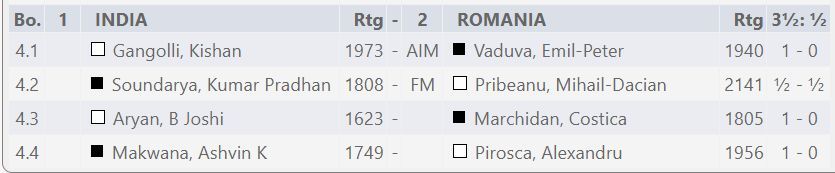
After the first round of the World Team Championships for the visually challenged, the Indian team was down but not out. This was because they had played quite well to put a lot of pressure on a team like Ukraine. India started as the last seed in the B-section with a rating average of 1799. Ukraine on the other hand had a massive rating average of 2276. Putting them under pressure was a sign that all the players were in decent form. In the second round against Romania, the Indian players showed their true colours and played some fantastic bit of chess to win the match 3.5-0.5. Mind you three of their players were rated higher than our guys.
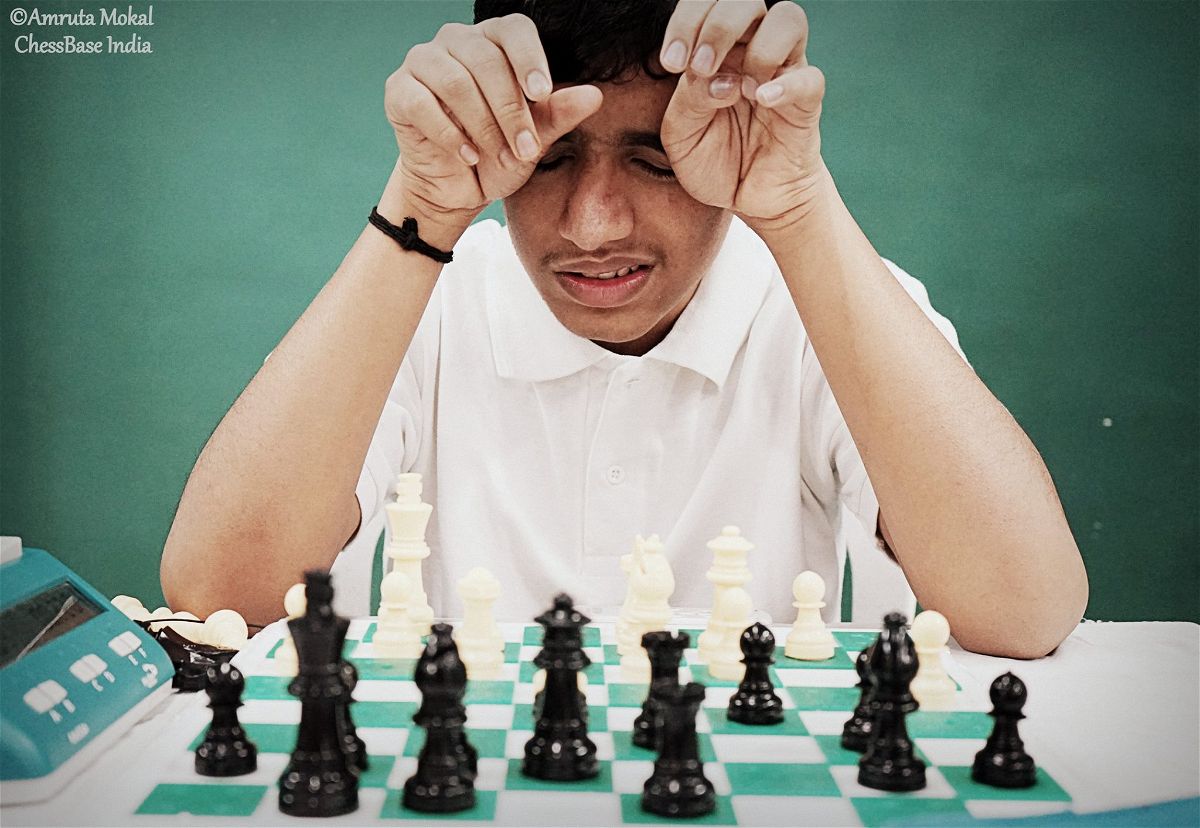
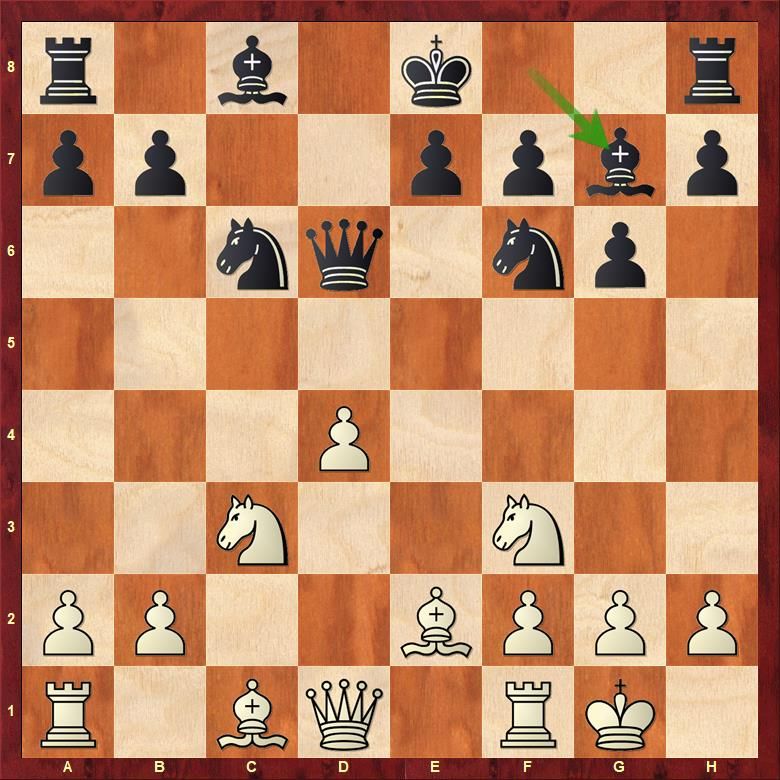
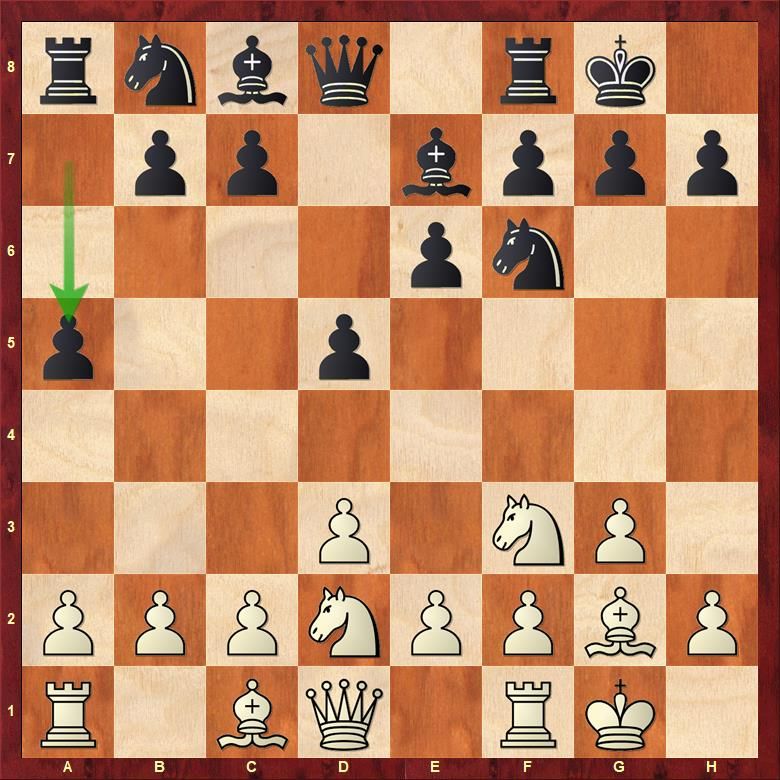
Aryan fought one of the main issues that he had faced in chess, which was to unknowningly play passive moves in a good position. He played super active chess in the above position and within half a dozen of moves forced resignation from his opponent.
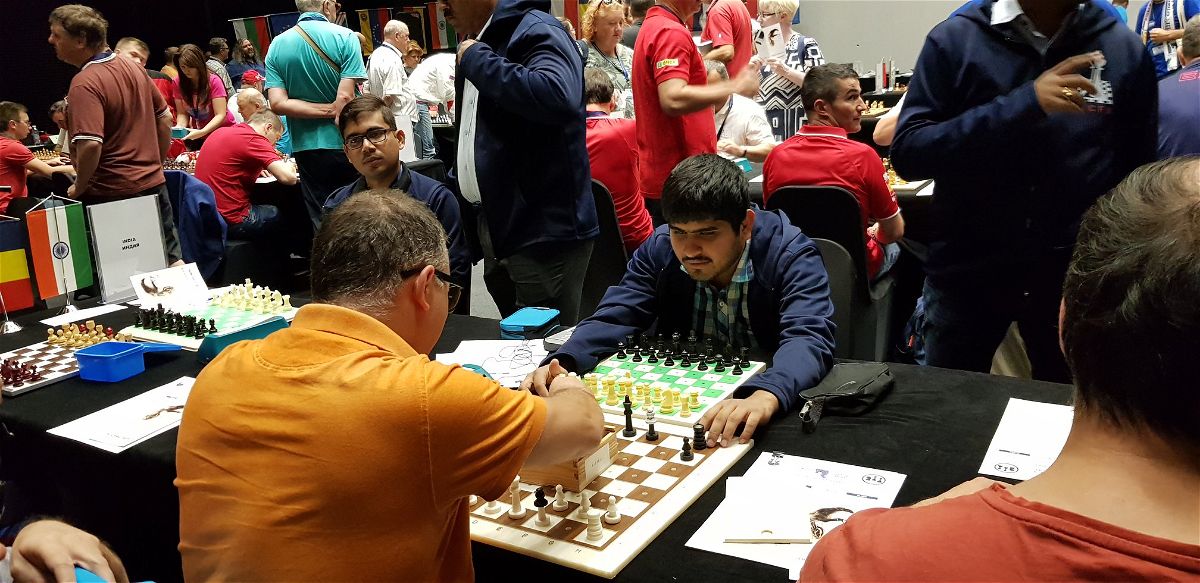
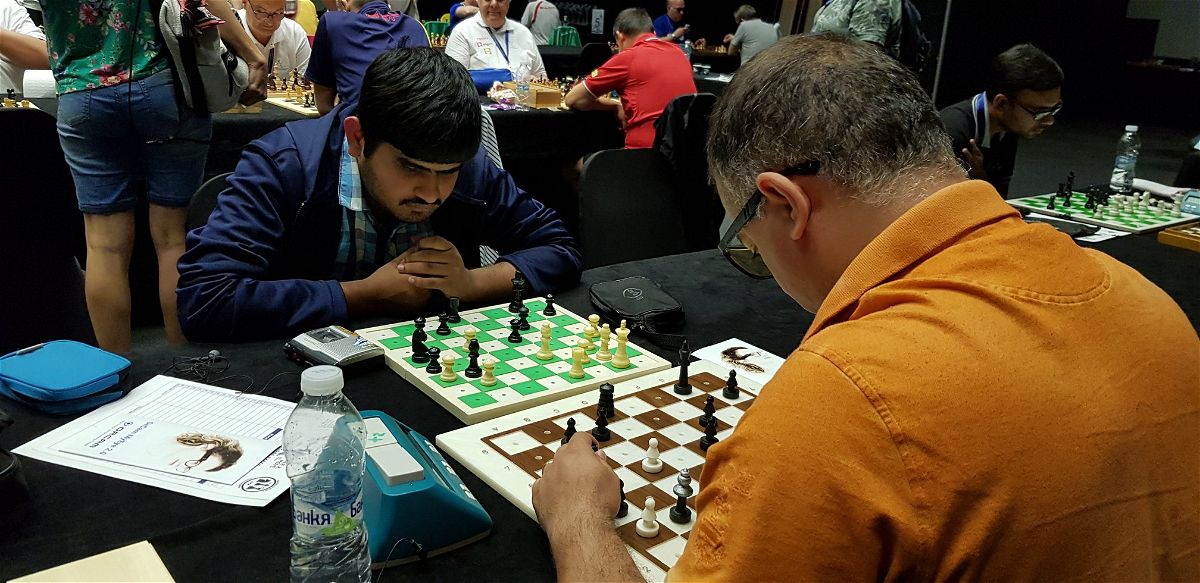
Soundarya's opponent Mihail Dacian Pribeanu was by far the strongest player in the Romanian team with an Elo of 2141. It was quite commendable that the Odisha boy didn't have to break a sweat in order to draw the game. His performance was quite flawless.
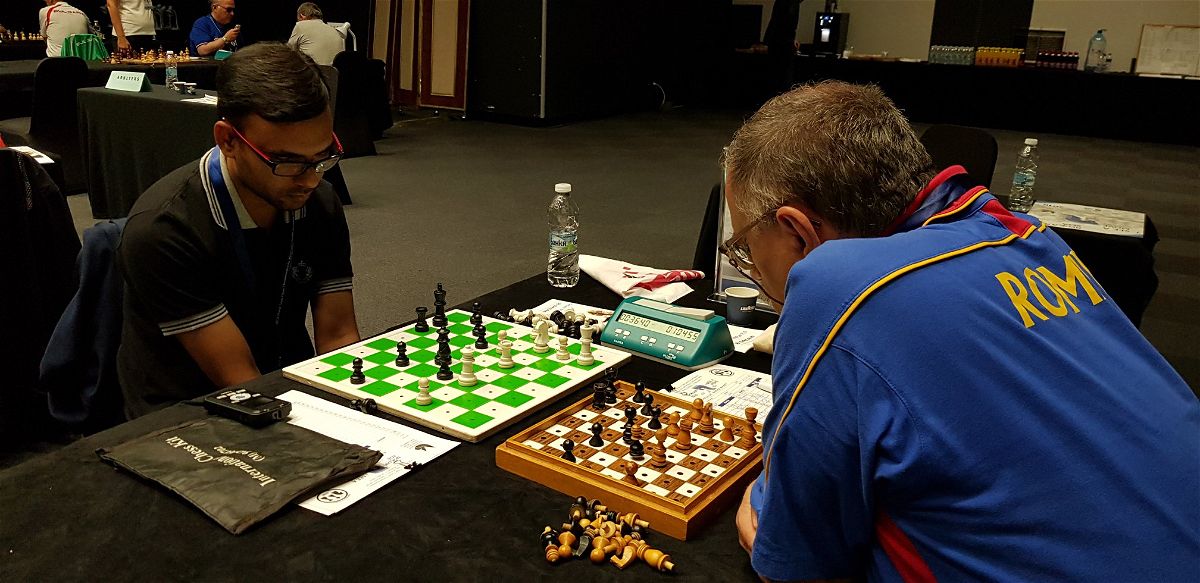
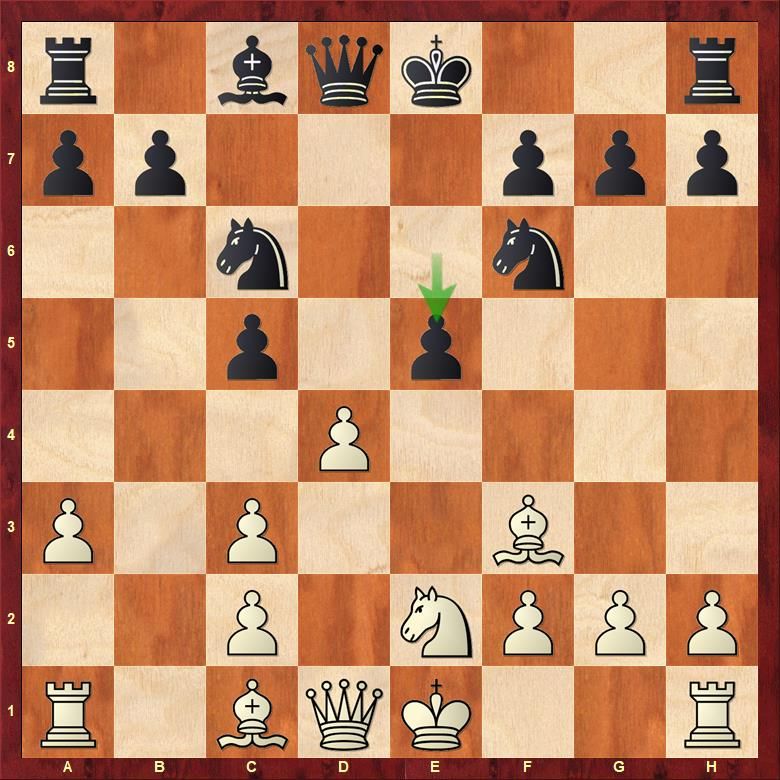
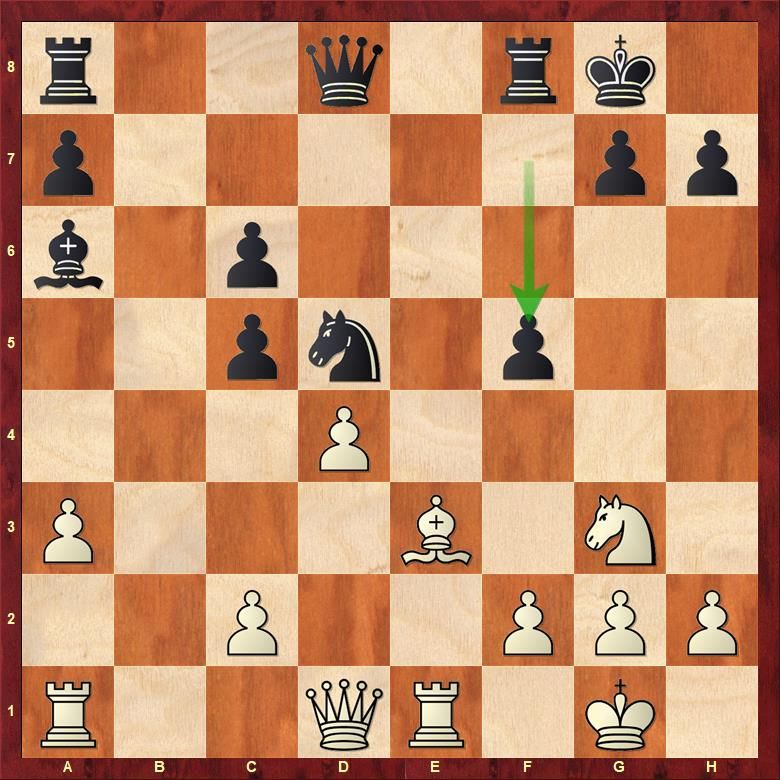
After the game Ashwin said, he gave the credit for finding the move to Subhendu Patra, the fifth member of the Indian team. Patra had been helping Makwana prepare for the game and they had looked at ideas with ...f5 in some other positions of this line. This work proved to be invaluable as Ashwin just completely outplayed his opponent. The conversion part was also quite smooth which was the start of something new and remarkable by Ashwin. He followed the concept on not rushing forward!
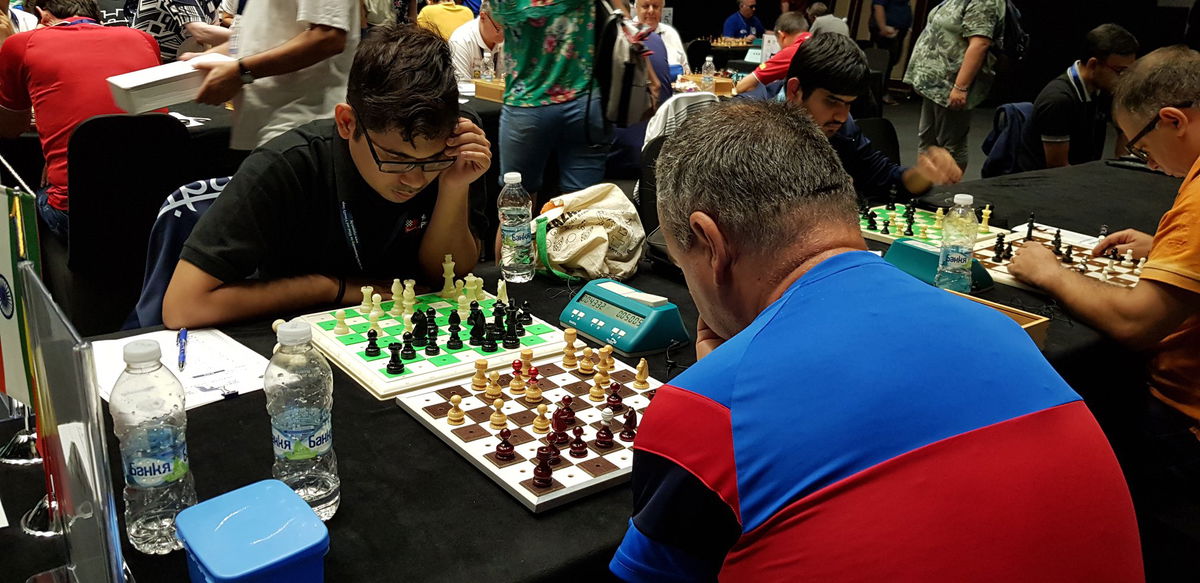
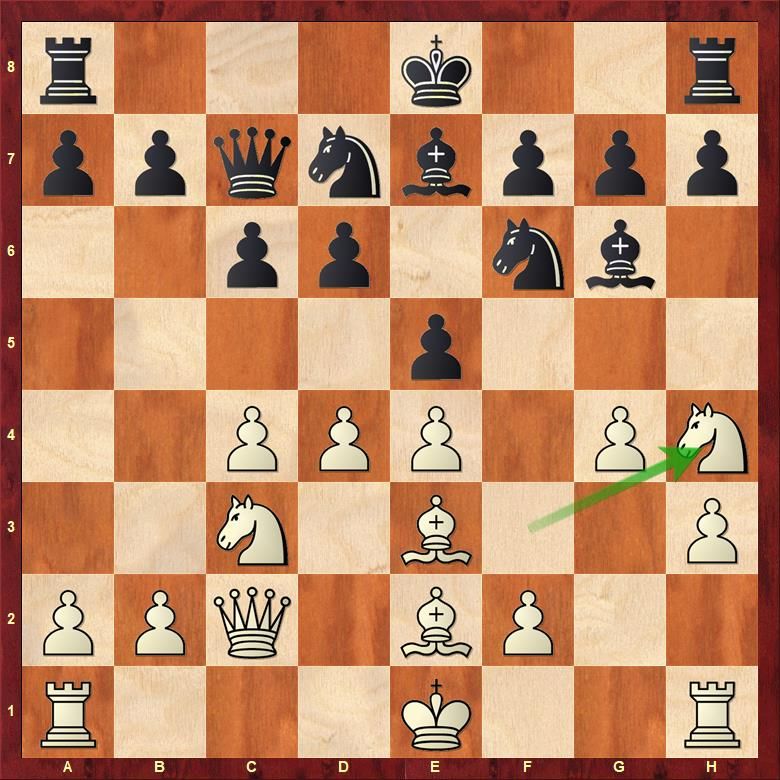
In case the above position is a bit difficult for you to solve, here's one with a similar theme.
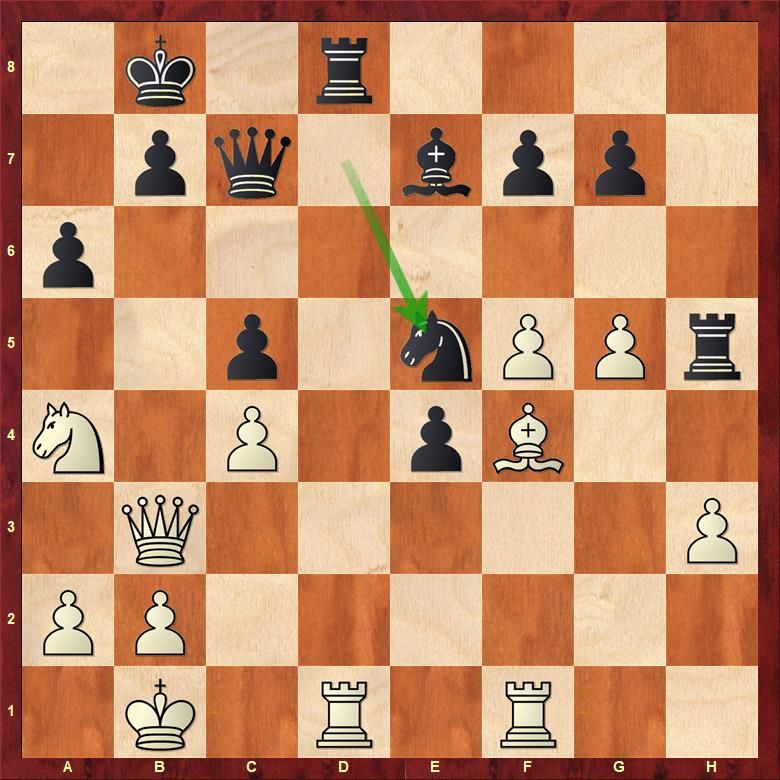
Of course the question about positional factors is just to trick you! Christiansen found the move Qd1! and all the Karpov could do was resign the game. Now use this knowledge and try to crack Kishan's position.
Group B - Ranking crosstable:
| Rk. | Team | 1 | 2 | 3 | 4 | 5 | 6 | 7 | 8 | TB1 | TB2 | TB3 |
| 1 | POLAND | * | 4 | 4 | 4 | 8,0 | 0 | |||||
| 2 | UKRAINE | * | 3 | 3 | 4 | 6,0 | 0 | |||||
| 3 | SPAIN | * | 2 | 3½ | 3 | 5,5 | 0 | |||||
| 4 | INDIA | 1 | * | 3½ | 2 | 4,5 | 0 | |||||
| 5 | SLOVENIA | 2 | * | 2 | 2 | 4,0 | 0 | |||||
| 6 | ROMANIA | ½ | 2 | * | 1 | 2,5 | 0 | |||||
| 7 | BULGARIA - I | 0 | 1 | * | 0 | 1,0 | 0 | |||||
| 8 | ITALY | 0 | ½ | * | 0 | 0,5 | 0 |
Group A - Ranking crosstable
| Rk. | Team | 1 | 2 | 3 | 4 | 5 | 6 | 7 | 8 | TB1 | TB2 | TB3 |
| 1 | RUSSIA | * | 4 | 3½ | 4 | 7,5 | 0 | |||||
| 2 | SERBIA | * | 3 | 4 | 4 | 7,0 | 0 | |||||
| 3 | GERMANY | * | 3 | 3 | 4 | 6,0 | 0 | |||||
| 4 | TURKEY | 0 | * | 4 | 2 | 4,0 | 0 | |||||
| 5 | MACEDONIA | 1 | * | 2½ | 2 | 3,5 | 0 | |||||
| 6 | GREAT BRITAIN | 1 | 1½ | * | 0 | 2,5 | 0 | |||||
| 7 | VENEZUELA | 1 | 0 | * | 0 | 1,0 | 0 | |||||
| 8 | BULGARIA - 2 | ½ | 0 | * | 0 | 0,5 | 0 |
Note: Top two teams in each section will move to the semi-finals
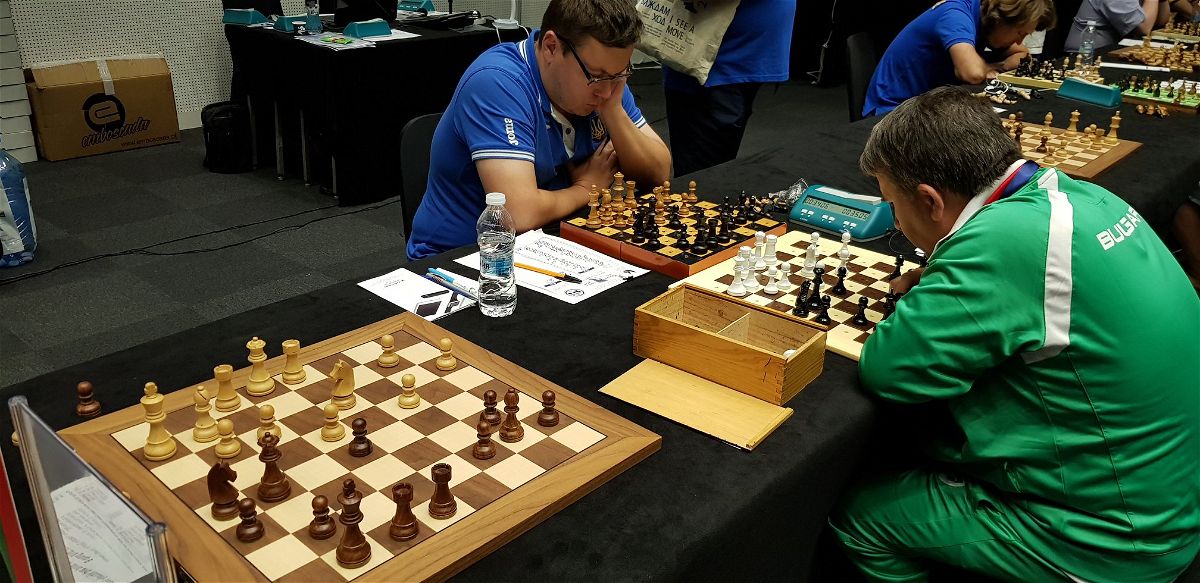
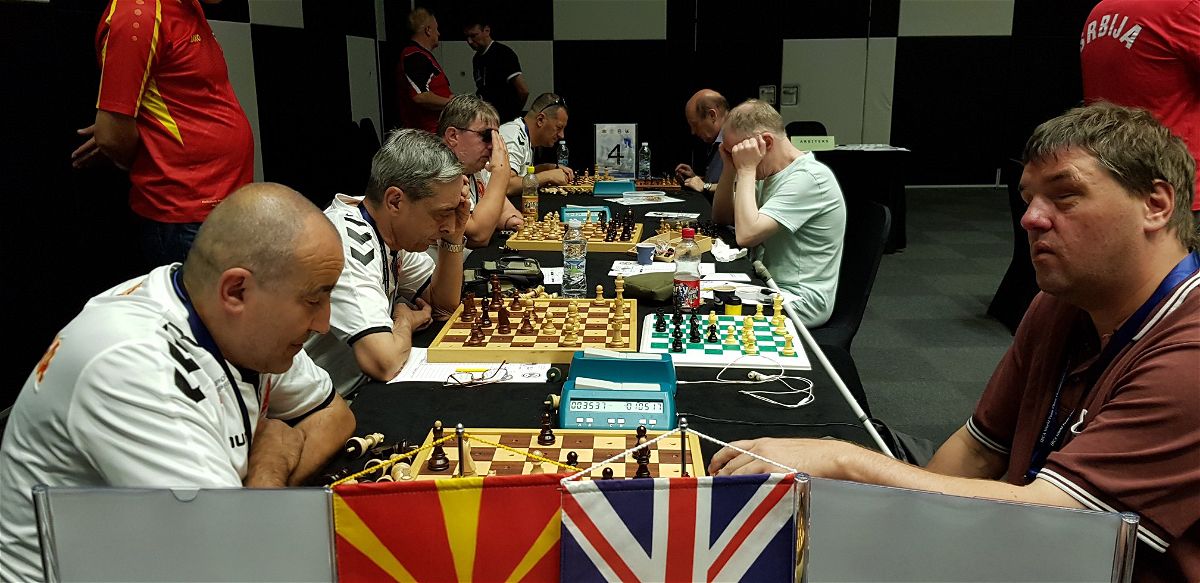
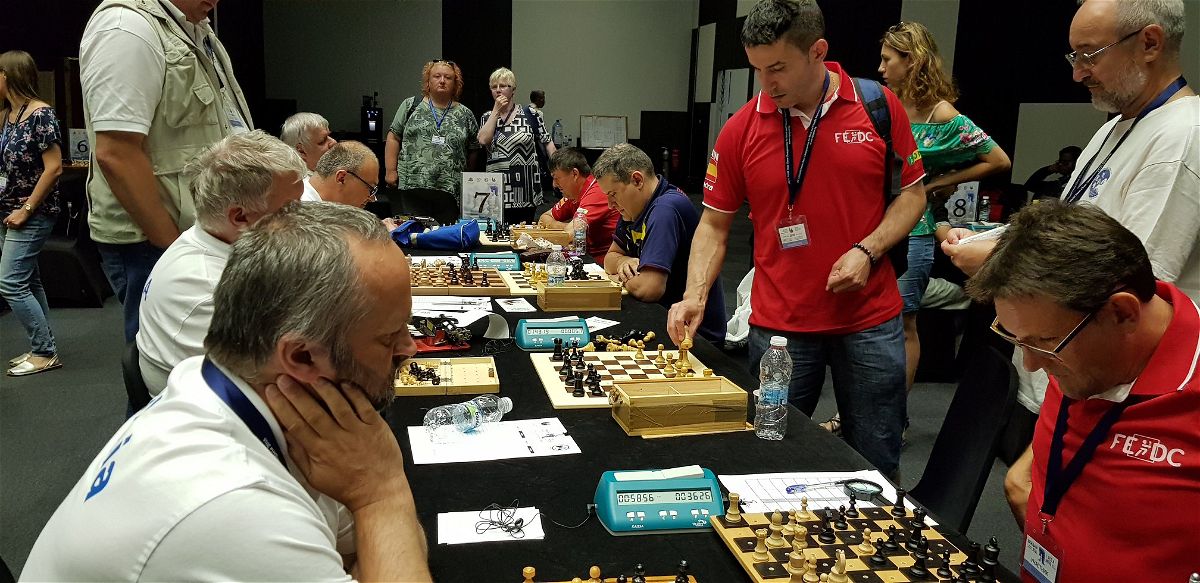
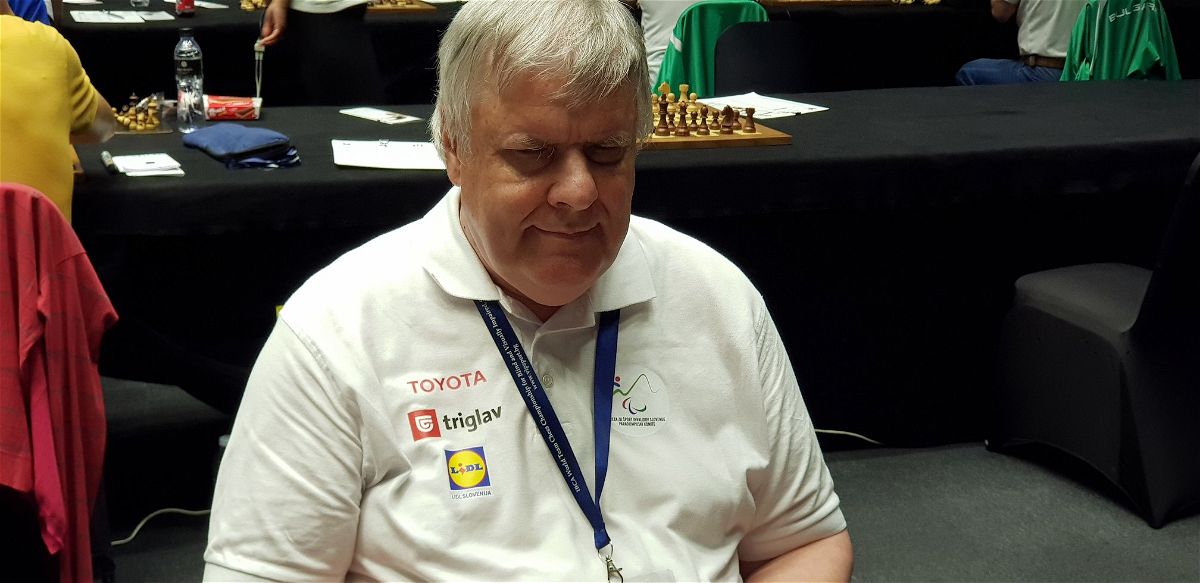
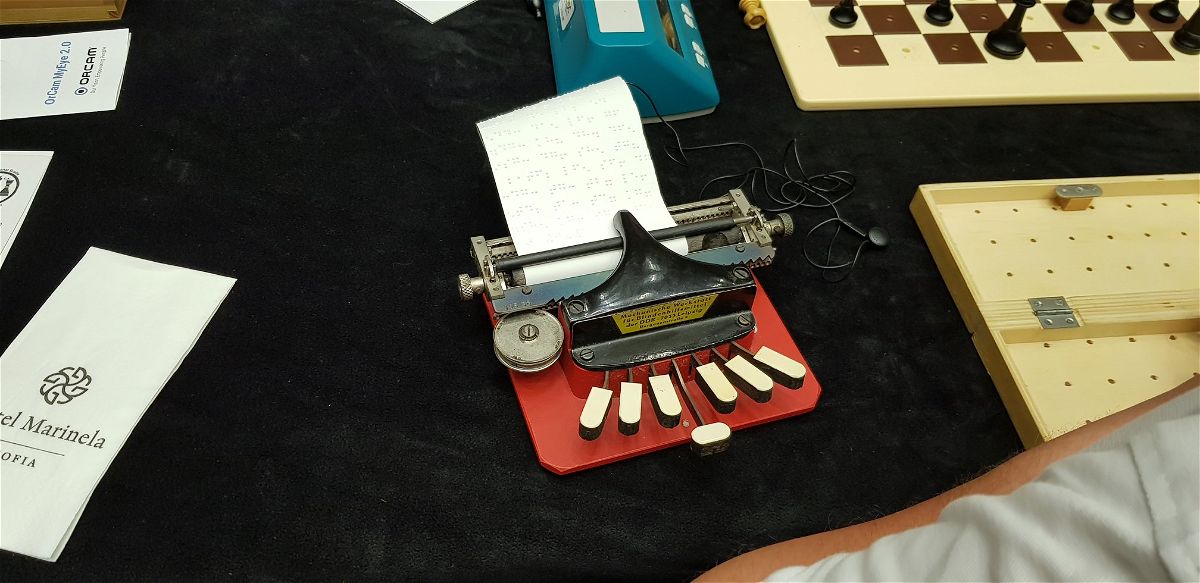
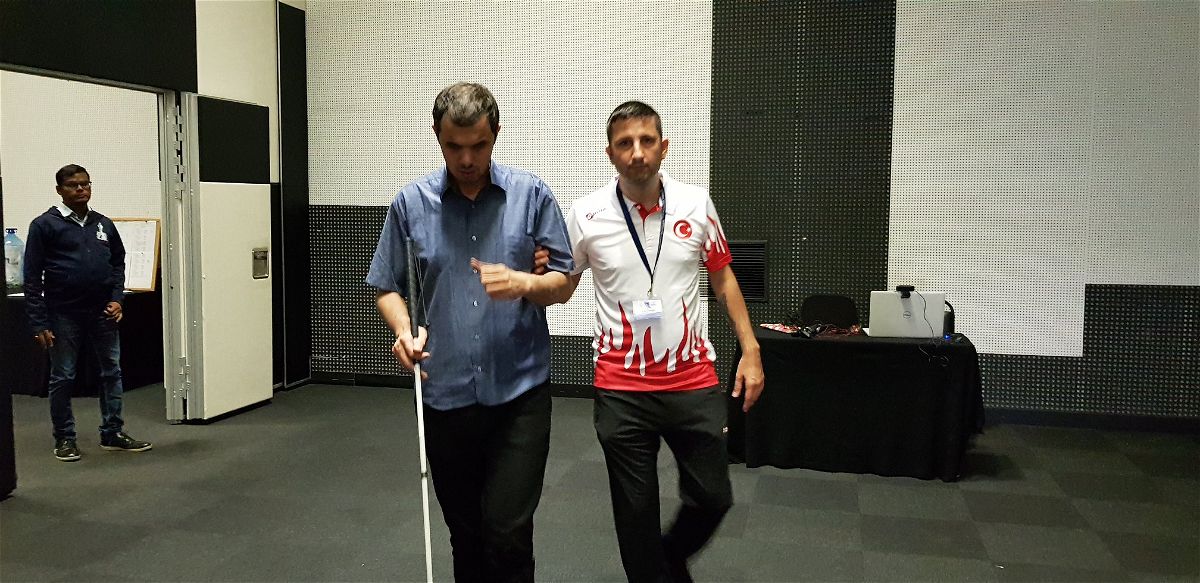
In general I have realized that the amount of trust as well as the feeling of trying to work together is quite high among the players as well as the organizers and arbiters. Blind players need to go to the washroom during the game and the organizers and arbiters have faith that the players will not cheat and discuss the position with each other. Many times a team captain escorts them to the washroom and the other team captain or the players are completely fine with it. There is trust among the teams and this is something very valuable that I found in such blind events. Everyone wants to win and succeed, but the feeling of camaraderie is a higher than sighted events.
Video Gallery:
IA Radislav Yordanov Atanasov is the chief arbiter at the 8th IBCA World Team Championships 2018 in Sofia, Bulgaria. He is also a national master, a Ph.D holder and worked as the interpretor for Vishy Anand in his match against Veselin Topalov. One man, many roles, we speak to him and get to know him better.
Marcin Tazbir from Poland holds the unique distinction of being the only visually impaired chess player in the world to be a grandmaster. He had a normal vision until the age of 18, but then problems started to crop up. In this interview he shares with us about his life with normal sight and also about the seven years from 18-25 when he was able to achieve his final GM norm and become a grandmaster, in spite of having visual limitations.


